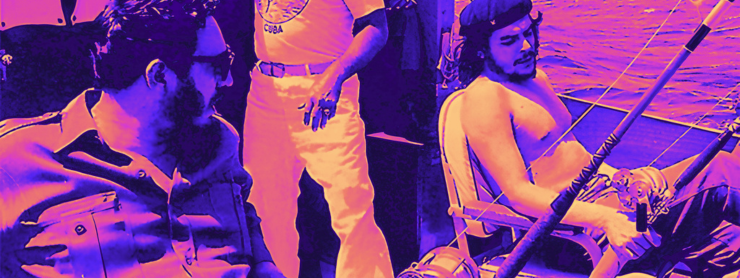
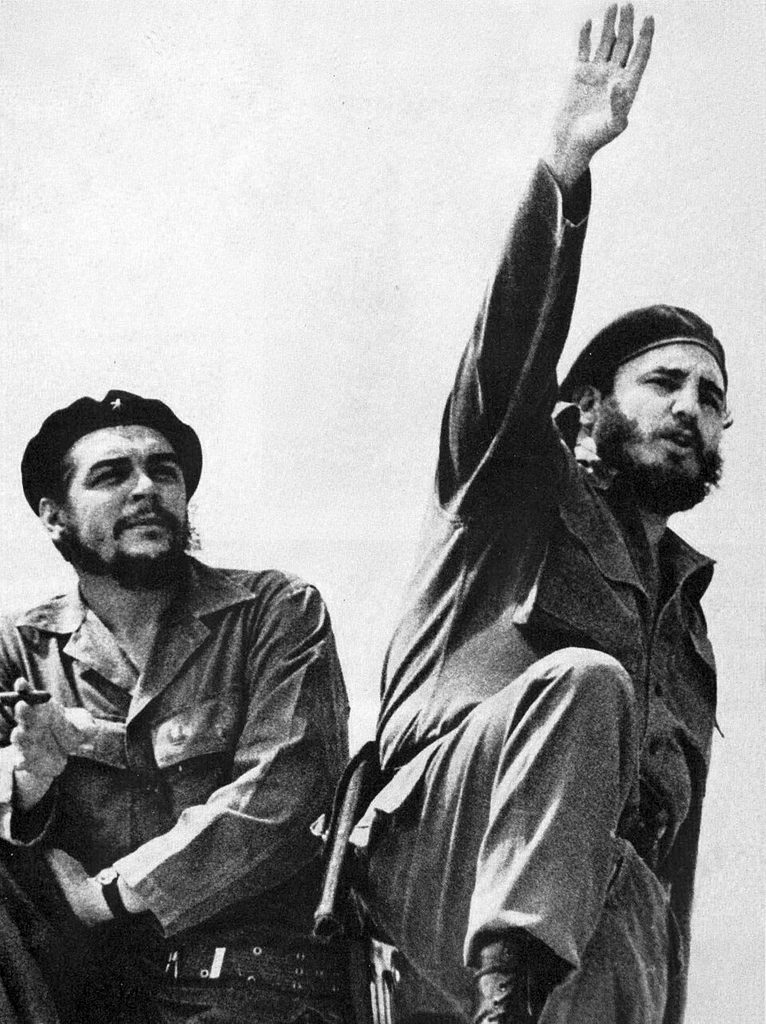
On July 26, 1953, Fidel Castro and a small group of revolutionaries attacked the Moncada Barracks in Cuba, attempting to strike a blow against the dictatorship of Fulgencio Batista. The attack failed, and many of the revolutionaries were killed or imprisoned. But the struggle did not end there. Castro and his fellow revolutionaries would eventually return to Cuba, where they built a guerrilla movement alongside people already fighting against Batista. Among those who would later join Castro was Che Guevara, who would emerge as one of the most radical and influential revolutionaries of the Cuban Revolution.
What began as a relatively small group of people became part of something much larger than themselves. Revolutionaries who had come from different backgrounds, as well as people already fighting on the island, found themselves working toward a common goal. They became part of a movement, and that movement became something greater than any individual within it.
When we stop seeing ourselves as small, powerless individuals and instead recognize ourselves as part of a larger whole, we develop a stronger sense of connection to others who share the belief that we are stronger together as a class. Once we begin to see things with class consciousness, we see our fellow workers as neighbors and friends. And we see those working toward the unity of our class as more than just friends. We see them as people we respect and trust—as allies not only to ourselves, but to the larger movement we are part of.
This is what it means to call someone a comrade.
When I call you my comrade, I am not simply making a reference to the Soviet Union. I am not repeating a meme I saw on the internet. When I call someone my comrade, I am declaring that I trust them, and that I hope they trust me. I am telling them that I understand the struggle they are undergoing and that I want them to be liberated. I call someone my comrade when I need a word that conveys my respect for them.
Being someone’s comrade does not mean believing they are always right. It means believing they are worth fighting alongside.
As revolutionaries, we need to express our feelings. We are human beings; how can we expect to win the support of the masses without showing our humanity? Che Guevara understood this when he wrote, “The true revolutionary is guided by a great feeling of love. It is impossible to think of a genuine revolutionary lacking this quality.”
Lenin, Mao, Castro, and other revolutionaries understood the importance of compassion and solidarity. But compassion does not mean weakness. Political struggle is serious work, and serious work requires discipline, organization, and strength.
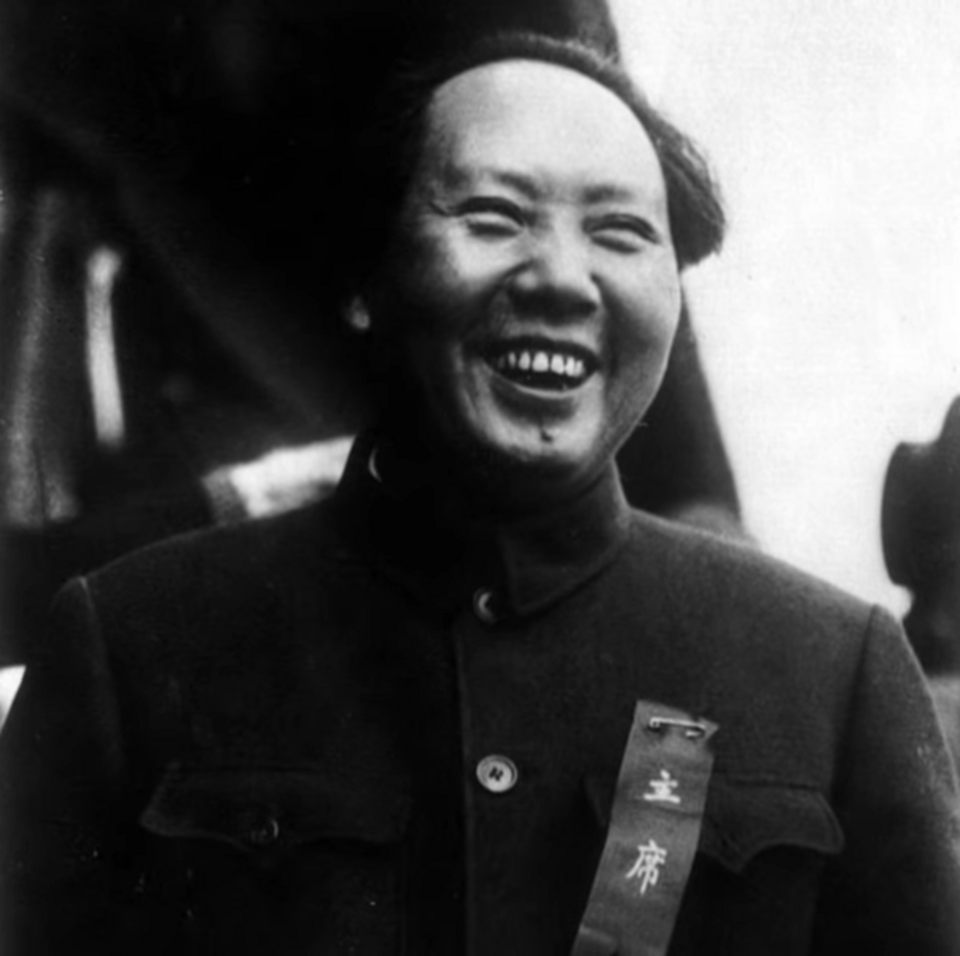
We may not love our comrades. We might not even like them. But we do not have the luxury of refusing to work together. We need as many members of the proletariat as possible working toward the goal of revolution. That goal can be guided by love, but feeling alone will not defeat our enemies. Mao is often quoted as saying that communism is not love, but a hammer used to crush our enemies. Whether or not we agree with that formulation, the underlying point is important: communism is serious work, and serious work must be done responsibly.
This is why not everyone who claims to be working toward communism is my comrade. At the same time, there are people who may not share my ambitious vision of the future whom I still call my comrades.
What we owe our comrades is compassion and the benefit of the doubt.
When we disagree, we should not immediately resort to petty name-calling or ad hominem attacks. We should not confuse solidarity with agreement. A comrade is not someone who simply tells us what we want to hear. A comrade is someone who cares enough about the struggle to tell us when they believe we are wrong.
Criticism can be sharp without being cruel. We can challenge someone’s ideas without questioning their humanity, intelligence, or commitment. If our goal is to build something together, disagreement should make us better comrades, not enemies.
During a disagreement, it is important to make sure we are actually defining our terms the same way. Often, disagreements come down to a lack of clear definitions for complicated subjects like revisionism or imperialism. We may discover that we define these terms differently. That does not necessarily mean either of us is wrong. Language is clumsy and imprecise, especially when we are discussing complicated subjects.
We owe our comrades patience. We cannot afford to lose our tempers and alienate one another. We need as many of us as possible working toward a common goal, we only benefit our enemies when we take our frustrations out on each other.
There is enormous wealth and political power concentrated in the hands of people most workers will never meet. Yet we can spend enormous amounts of energy fighting one another over personalities, factions, and ideological labels. We should ask ourselves who benefits when people who ought to be allies become enemies.
Maybe you are critical of Stalin or Trotsky, Bernie Sanders or Slavoj Žižek. Maybe we are critical of each other. We can still be comrades. We can argue fiercely. We can disagree about history, strategy, theory, and the future. None of that requires us to abandon the basic solidarity that brought us together in the first place.
Che understood that the fight against imperialism was larger than himself. That is why he said, “If you tremble with indignation at every injustice, you are a comrade of mine.”
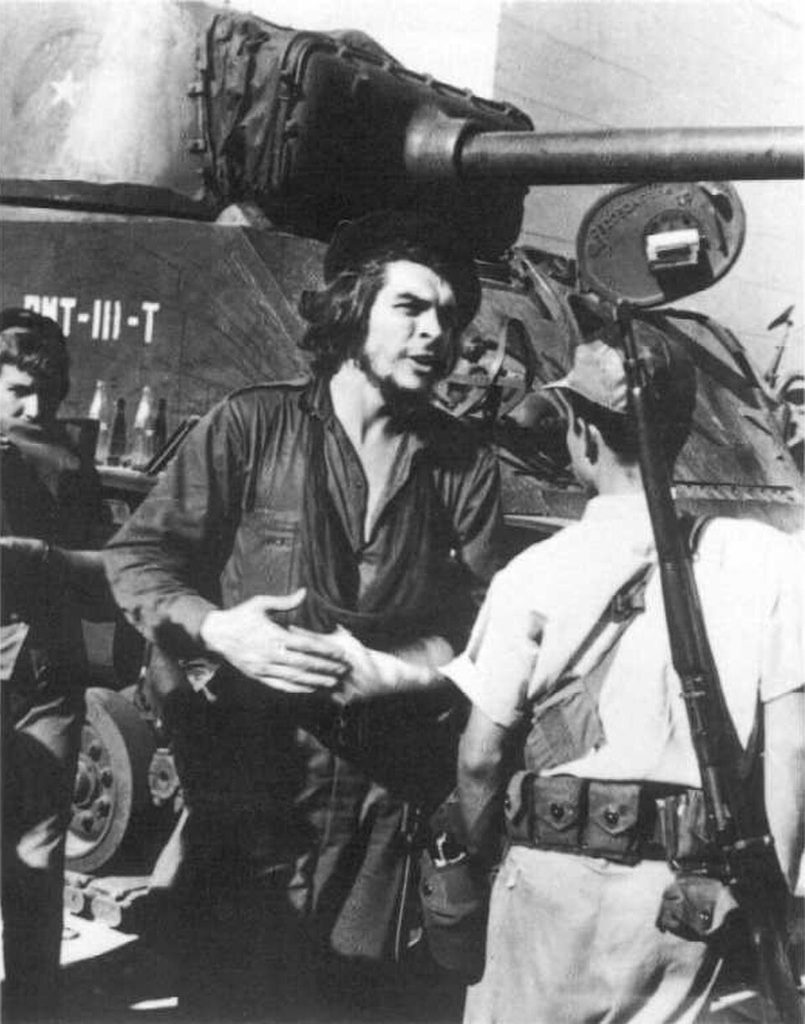
That is the standard I want to hold myself to.
I do not need every comrade to be identical to me. I do not need them to agree with me about everything. I do not even need them to like me. I need to know that when we see injustice, we will stand together against it; when we disagree, we will argue in good faith; and when the work becomes difficult, we will not abandon one another.
We can build a brighter future, but the path to that future requires us to share a vision of what that future can be. I have a vision of revolutionaries putting aside our insults and petty squabbling to build a movement together. Not because our disagreements do not matter, but because the people we disagree with are not automatically our enemies.
If you want to fight inhumanity and injustice, you are my comrade.
If you want to bring down the old and build a better world together, you are my comrade.
If you are willing to work alongside people you disagree with, criticize them honestly, listen when they criticize you, and continue the struggle together, you are my comrade.
I promise I will do my best not to let you down, if you promise to do the same.
That is what I mean when I call you comrade.




Leave a Comment
You must be logged in to post a comment.