
You can’t make a chicken laugh. Even the most fire memes in your collection won’t get a reaction from a chicken. Humans are unique in our ability to assign meaning to things.
Take the numbers six and seven. Most readers will have some reaction to them – maybe a laugh, maybe an eye roll. We’ve seen those numbers in school, while shopping, and all over social media. By themselves, they’re meaningless. But because we understand the cultural context of 6/7, they provoke a response that other numbers don’t.
That context is what makes a meme.
Quietly smirking or sighing at the sight of two numbers demonstrates that we have opinions about them. Yet they remain nothing more than arbitrary symbols used to represent quantity. The meaning exists entirely in our minds, built through shared experience.
This is not a bug; it’s a feature.
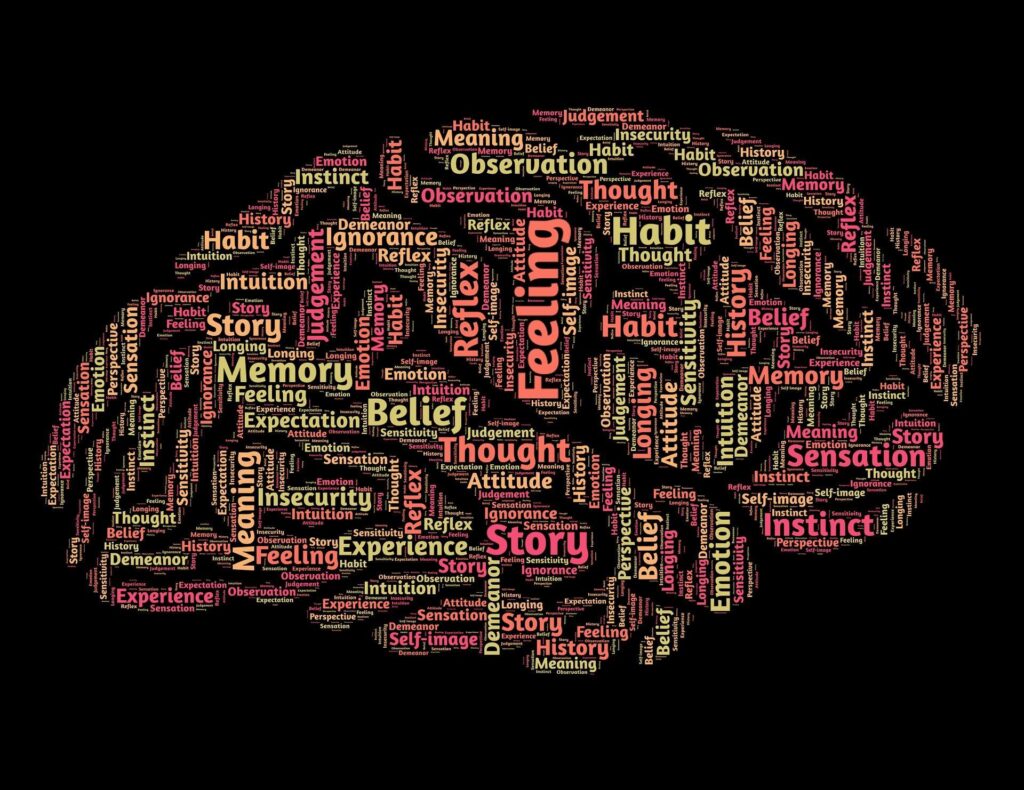
Our brains evolved to find and create meaning. Without that ability, language itself would be impossible. The same biological mechanisms that allow us to communicate danger also allow us to tell jokes, create memes, and build cultures. Human society depends on our capacity to understand symbols.
Consider something as simple as crossing the street. Roads are dangerous, but we teach children to look both ways before crossing. Without language to communicate that knowledge, pedestrian deaths would be far more common. Language shapes how we interact with the world, and those interactions reshape our language in return.
The same principle applies to everyday life.
We’ve all promised to do something and then failed to follow through. Take out the trash before garbage day. Clean that hard-to-reach spot before guests arrive. Personally, I procrastinate on laundry and occasionally rummage through dirty clothes looking for the least offensive smelling shirt.
Most of these experiences don’t fundamentally change how we think. Intentional action does.
Music sounds better live than through headphones. That seems strange when headphones are designed specifically to reproduce sound as accurately as possible. Yet the crowd, the atmosphere, and the shared experience transform the music. The act of doing something changes how we experience it.
This is why I find the 1986 Yellow Parenti lecture so electrifying. It feels less like watching an old YouTube video and more like participating in a political event. Language shapes social interaction, and social interaction shapes worldview.
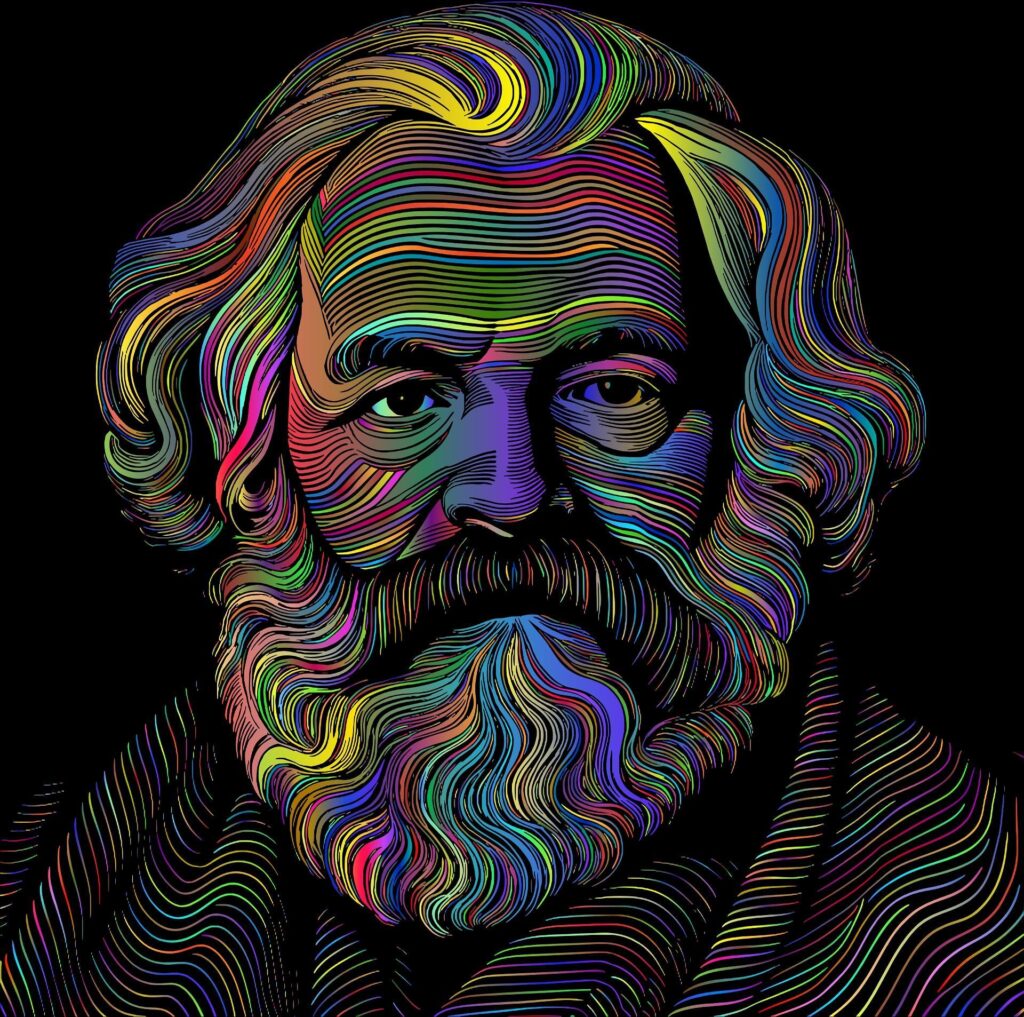
This is what Marx meant when he wrote:
“Language, like consciousness, only arises from the need, the necessity, of intercourse with other men.”
If language shapes thought, then political participation shapes political consciousness. That is why the bourgeoisie spend billions on elections.
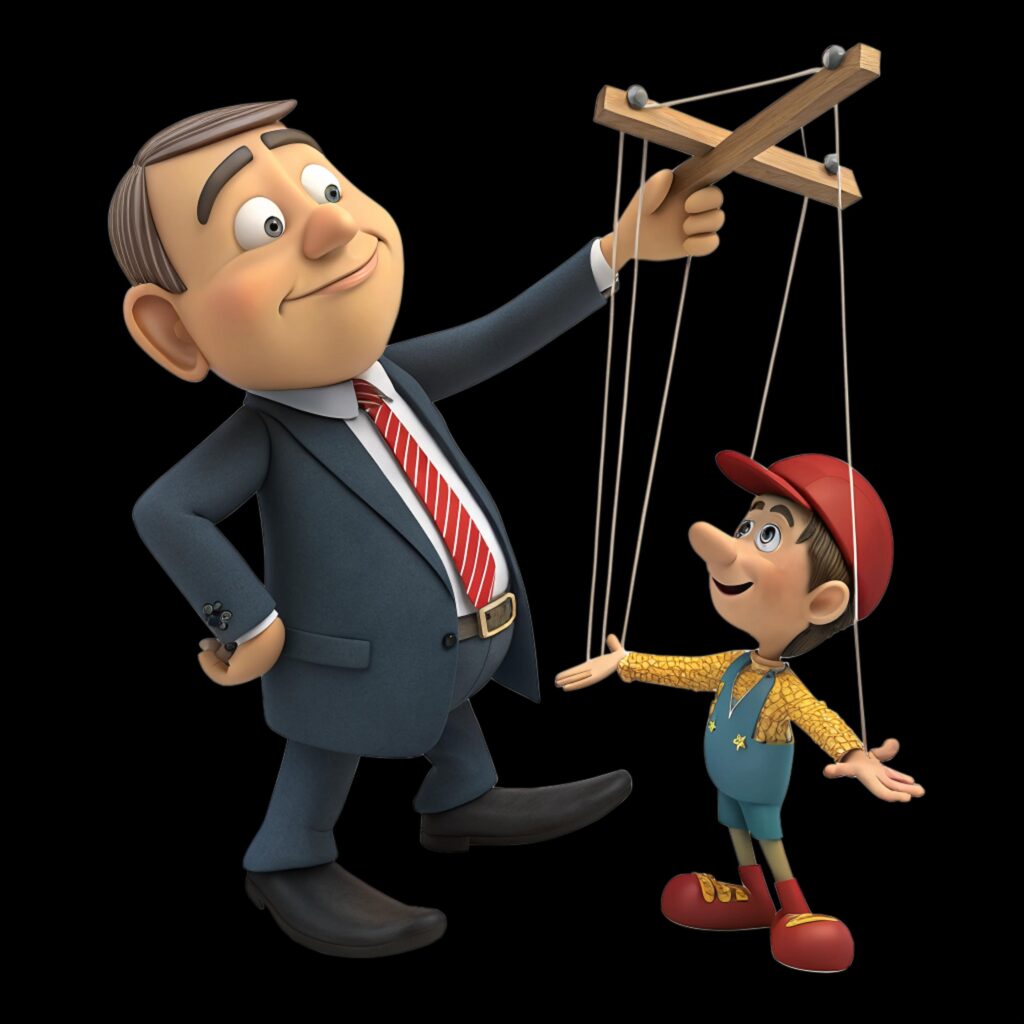
The oligarchy gets what it wants regardless of which spokesperson wins. The goal is not merely to persuade you to support a particular candidate. The goal is to keep the proletariat invested in the electoral system itself. Participation legitimizes the system. Every debate watched, every primary voted in, every election followed reinforces its authority.
The more we participate, the more ideological influence the system gains over us.
The standard response is familiar: “If you don’t vote for my candidate, you’re helping the other side win.”
But both teams have the same owners.
If Democrats truly prioritized victory above all else, they would have acted differently. They could have held competitive primaries and selected candidates based on popularity and electability. Instead, they made choices that many voters found uninspiring. From my perspective, that suggests their priority was not empowering the working class but maintaining faith in the existing system.
When we participate in the oligarch olympics, we are not gaining power. We are surrendering what little power we already possess.
The solution is not to find a better representative of the bourgeoisie. The solution is to build power outside bourgeois institutions.
Real democracy should not produce leaders entangled with people like Epstein. Yet election after election, scandals emerge while the system remains untouched. The reason many people continue to believe in the system is simple: repeated participation makes it feel legitimate.
A system’s legitimacy exists only because people accept it.
If enough people stop accepting it, its authority weakens. Reclaiming political power begins with reclaiming our ability to think outside the assumptions the system imposes on us.
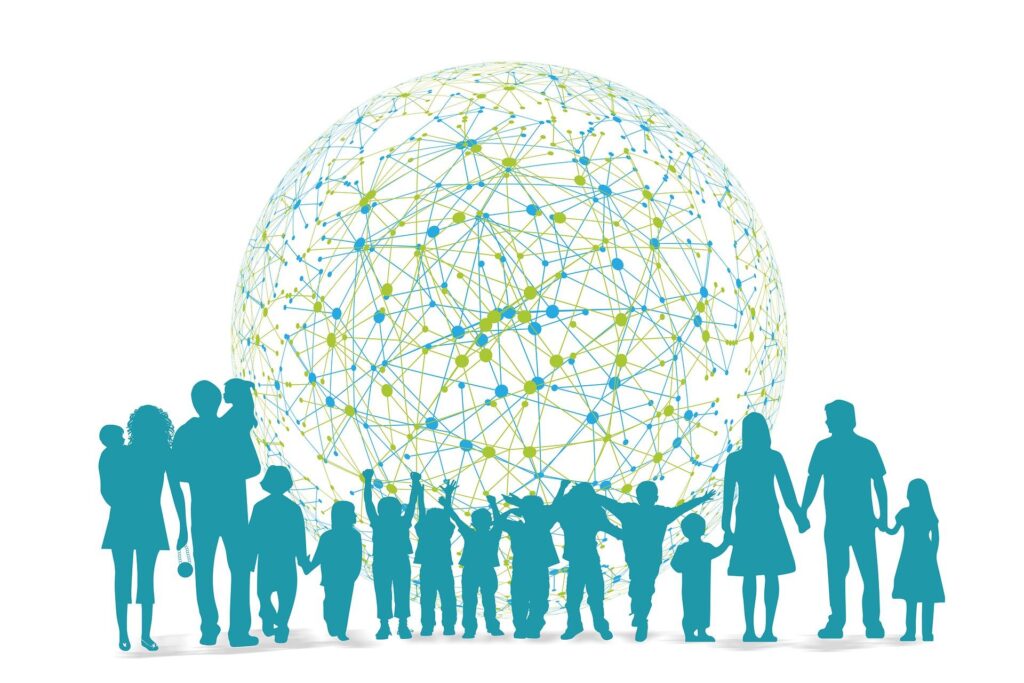
If ordinary people truly lacked the ability to shape society, the ruling class would not spend billions trying to influence public opinion every election cycle.
Words aren’t neutral, they always come with a connotation, describing someone as a chicken implies someone is a coward. Words carry their undertone with them when they shape our worldview.
The language of the ruling class reflects this reality.
Terms like “authoritarian” and “totalitarian” are often deployed less as precise descriptions and more as emotional triggers. They are meant to make certain political alternatives seem frightening before those alternatives are seriously examined.
Meanwhile, many of the actions carried out by wealthy and powerful people would sound dystopian if described in fiction. We live under a dictatorship of capital. Rotating spokespersons every few years does not automatically make a society democratic.
Supporters of socialist projects often point to material achievements that transformed people’s lives. To many who lived under the tsar, the Soviet Union represented unprecedented access to housing, healthcare, and education. Supporters of the Chinese Revolution make similar arguments about liberation and development. Whether one agrees with those assessments or not, public discussion of socialism is often shaped by language that frames it negatively from the outset.
Words matter.
Language shapes perception. Perception shapes action. Action shapes consciousness.
Political power does not come from begging billionaires for reforms or choosing between competing representatives of wealth. It comes from organizing workplaces, neighborhoods, unions, and communities.
Crossing the road seems scary when you’re a kid. But once you know to look both ways and wait for traffic to stop, it’s just another barrier you can walk past. Once you have the language to articulate how to cross a road, it isn’t so scary. Don’t be a chicken. We can overcome any obstacle once we understand it. We already possess the ability to shape society. The first step is refusing to let billionaires define society for us. The next is building something of our own.


Leave a Comment
You must be logged in to post a comment.